Homeowners often use “epoxy floor” to describe every decorative garage coating. Installers may propose epoxy, polyurea, polyaspartic or a combination of products in different layers. The names matter, but they do not describe the complete job. A useful comparison looks at the concrete, preparation, repairs, layer schedule, texture and cure plan together.
Start with the condition of the concrete
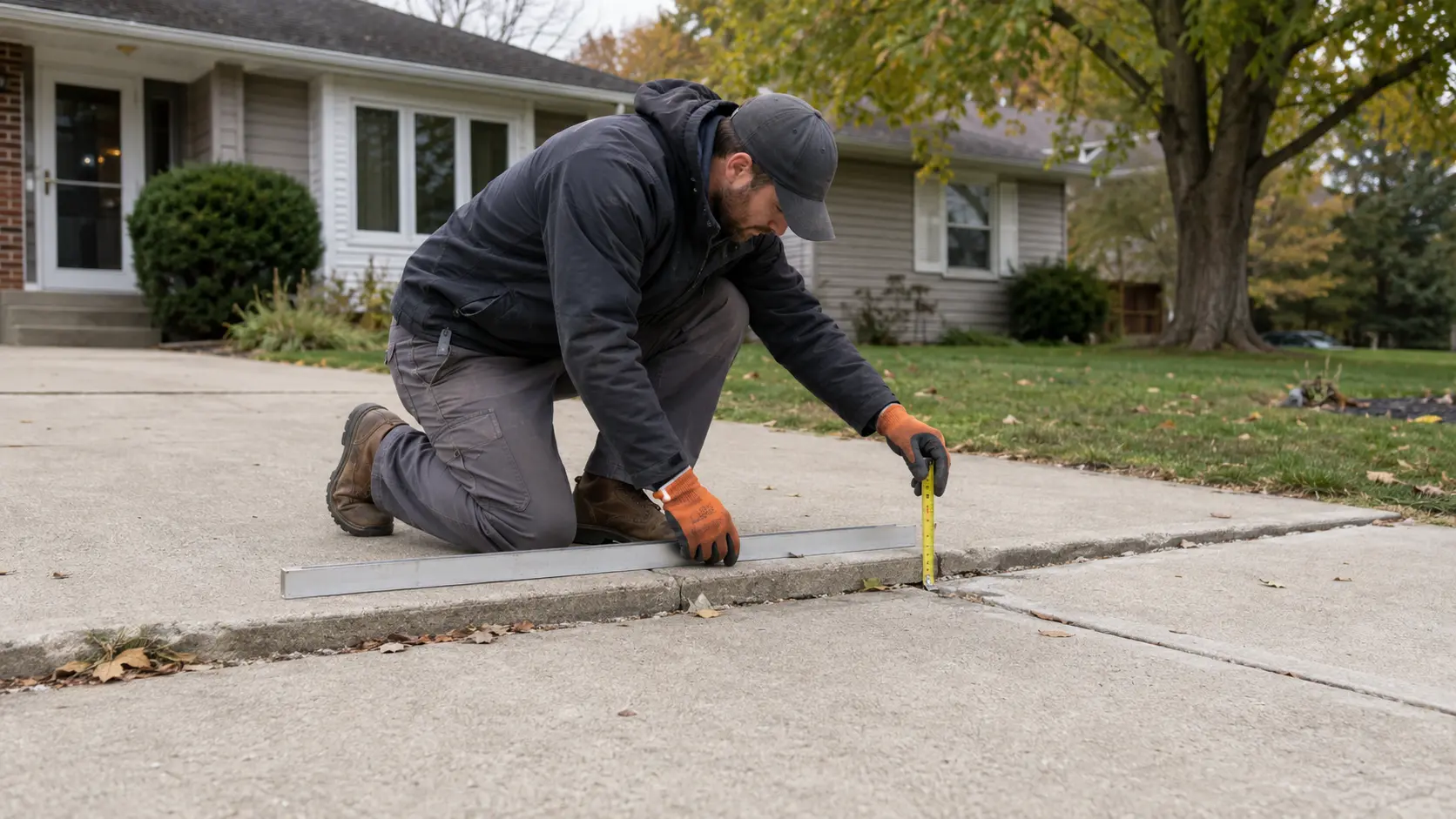
The same product can perform differently on clean, sound concrete than it does over contamination, weak surface material or active moisture. Before selecting colors, identify old paint, oil, cracks, control joints, pitting and any history of dampness.
The proposal should connect those conditions to the work. If repairs, moisture evaluation or removal of an existing coating are needed, they should be written into the scope rather than treated as a surprise on installation day.
Preparation is part of every layer
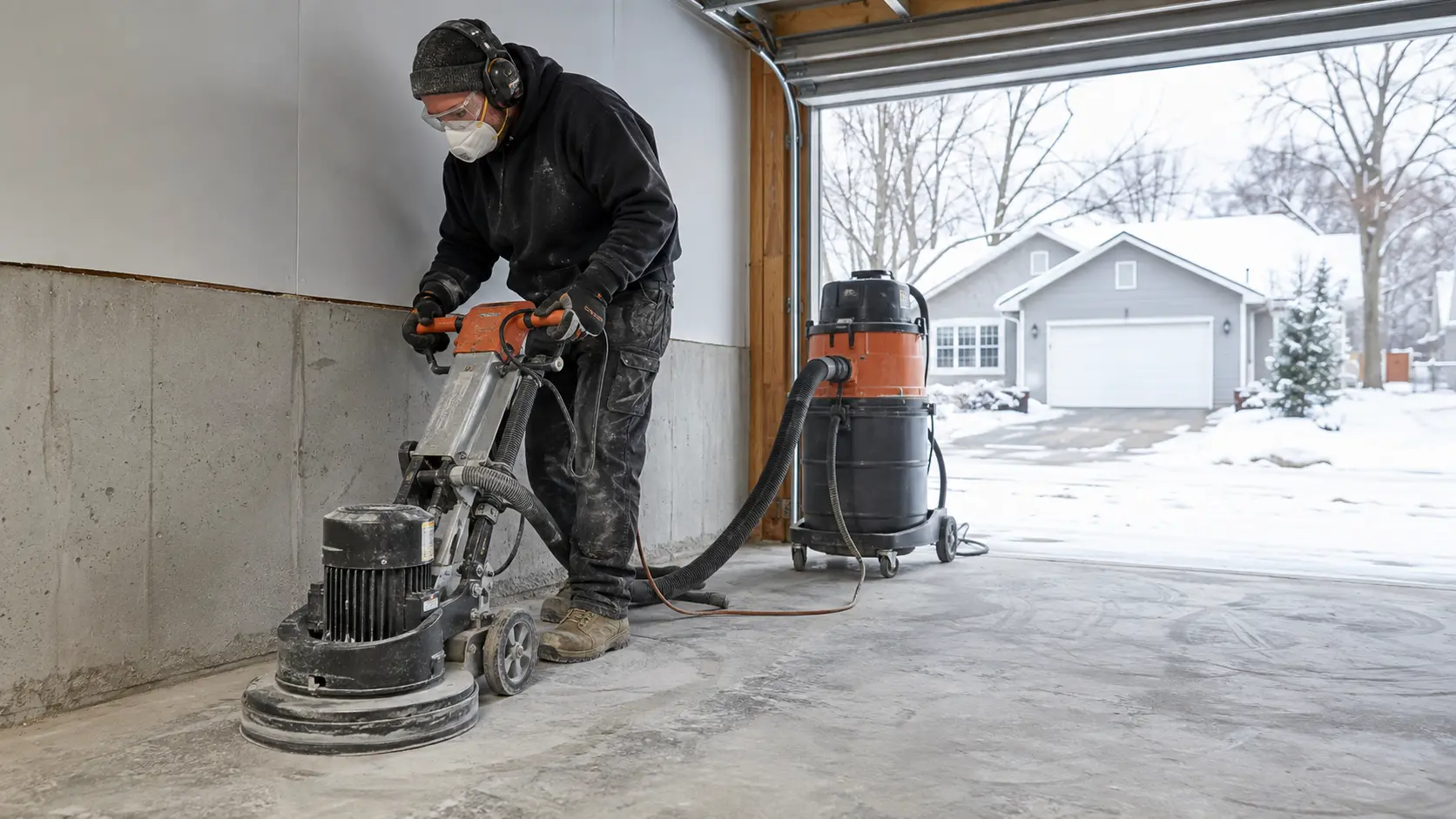
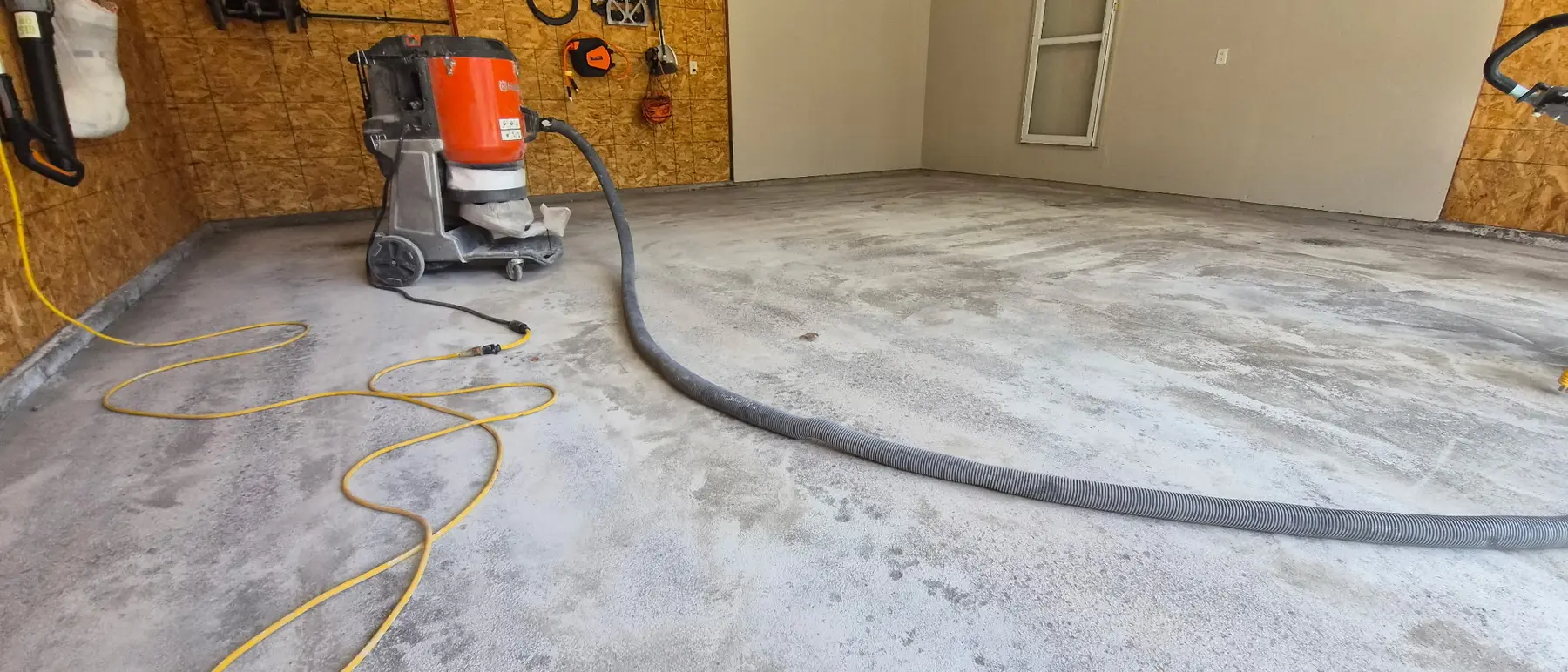
Mechanical grinding creates a surface profile and removes material that could interfere with adhesion. Edges, corners, steps, stem walls and areas around drains need their own preparation plan. A clean-looking slab is not automatically ready to coat.
Ask how dust is collected, what happens to existing coatings and how the crew verifies that the prepared floor is ready for the specified first layer.
A system may use different products for different jobs
One layer may be selected for its bond to prepared concrete, another for build or flake coverage and another for wear, texture or appearance. That is why comparing only “epoxy versus polyaspartic” can oversimplify the decision.
Have each contractor identify the manufacturer, product family, number of layers and purpose of each layer. Comparable written schedules make it much easier to understand why two proposals differ in price or timing.
Fast cure is useful only when the conditions support it
Some systems are designed around shorter installation and return-to-use windows. That can reduce disruption, but the crew still needs enough working time to place material consistently and the slab still has to remain within the product requirements.
Central Wisconsin temperatures change quickly at garage doors and exterior walls. Ask how slab temperature, air temperature and ventilation will be controlled from the first coat through the final cure period.
Finish, texture and maintenance belong in the decision
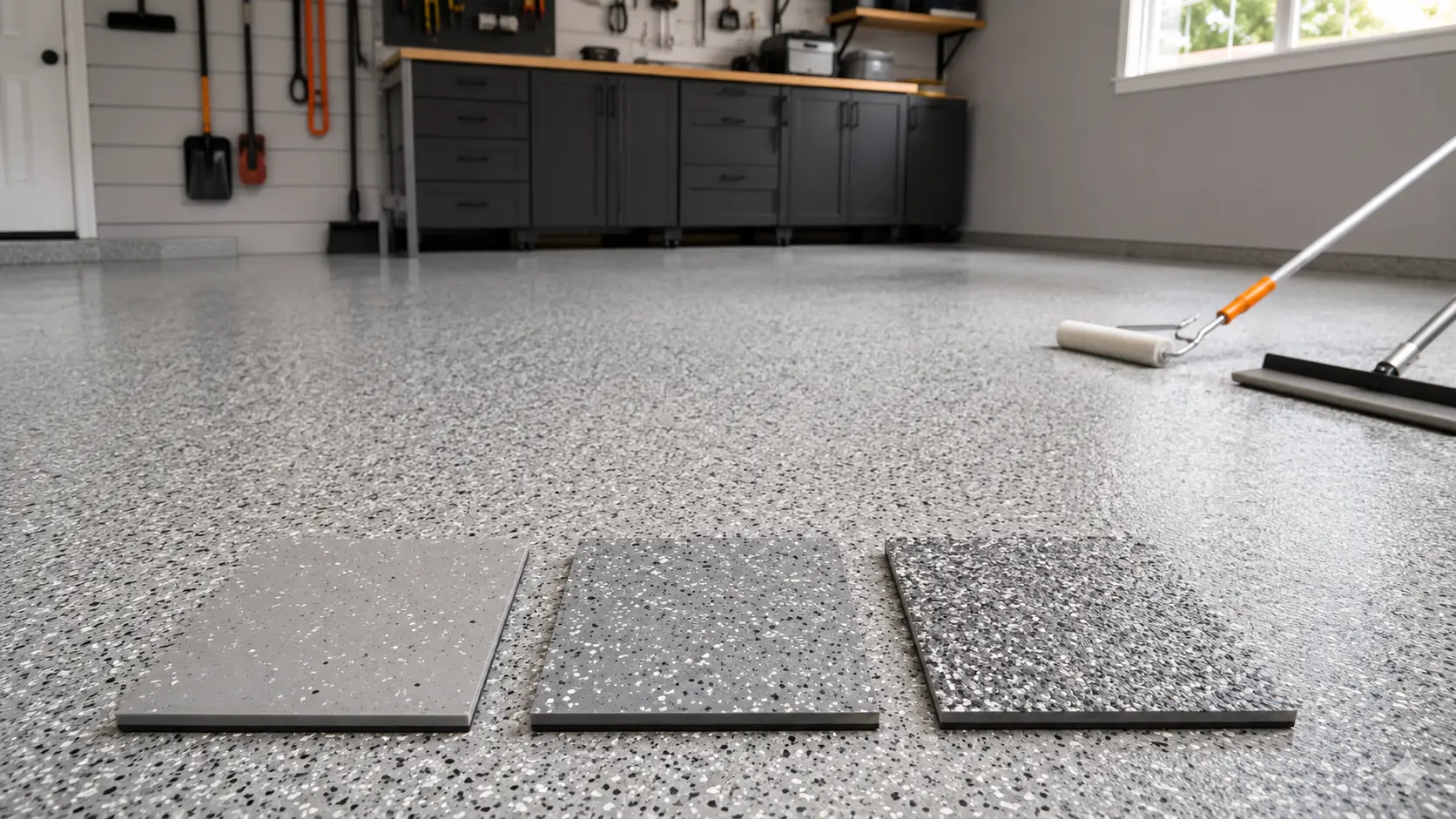
More texture may improve traction but can hold more dirt and require more effort to mop. A very smooth finish may clean easily but feel different when wet. Full-flake coverage, color blend, sheen and vertical details also change the final appearance.
Choose the finish for how the space is actually used: daily parking, a workshop, storage, a home gym or a commercial area. Then get cleaning guidance and realistic expectations for road salt, hot tires, chemicals and impact.
- Compare the preparation method before comparing brand names.
- Request the complete layer schedule and repair scope in writing.
- Confirm how cracks, control joints, drains and vertical surfaces are treated.
- Match texture and finish to the way the space is used.
- Ask for system-specific cure, cleaning and maintenance instructions.
These guides are general planning information, not a project specification. The slab or site, intended use, selected system and local requirements should be evaluated for the property.